Choosing Your Hard
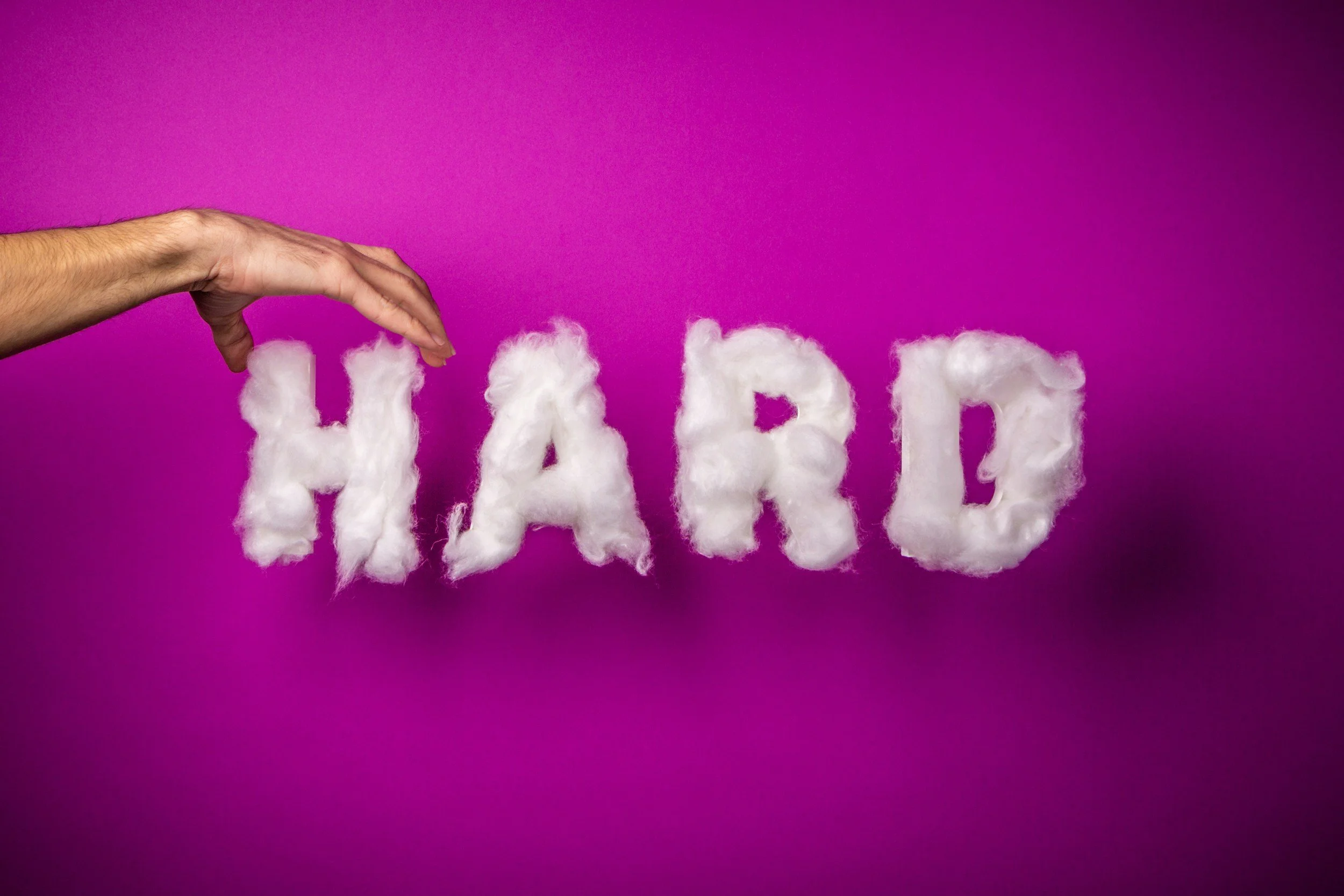
We all have to do hard things; the real question is whether we’re choosing the kind of hard that moves us forward or the kind that keeps us stuck.
The day I understood “choose your hard”
Not long ago, I spent most of a weekend shoveling snow off my roof and deck. It was heavy, tedious work, and my muscles were not impressed with my life choices. The snow had to come off to prevent structural damage, so my options were clear: pay someone else or do it myself. As a DIYer with frugal tendencies, the choice was obvious, even if it wasn’t easy.
Out there in the cold, a well-known phrase popped into my mind: “choose your hard.” I felt it in a very practical way. Either I paid in money or I paid in effort. Regardless of my choice, it was going to be hard. The difference was in the outcome and what I gained from the experience. Yes, it was physically demanding, but I also got fresh air, sunshine, a solid workout, and the satisfaction of protecting my home and finishing a tough job. That kind of hard was good for my body and my soul.
The illusion of “easy”
In my mediation and coaching practice, I see a common pattern: we reach for what feels easier in the moment, and then pay for it later with stress, resentment, and lost opportunities. It’s human; our nervous systems are wired to avoid discomfort. But the “easy” option often just postpones the “hard”.
Consider a few examples that may feel familiar to you:
• Maintaining a personal or professional relationship that is no longer serving you.
• Staying silent to “keep the peace.”
• Working at job or organization that leaves you drained and disconnected.
• Avoiding a difficult conversation because you fear the fallout.
On the surface, these choices look like the path of least resistance. You don’t rock the boat, you don’t upset anyone, you keep things safe and familiar. But underneath, another kind of hard builds: chronic stress, quiet resentment, and a growing feeling of misalignment with your own values.
So ask yourself: What am I calling “easy” right now that is actually costing me more in the long run?
Conflict, positions, and the cost of staying stuck
In mediation I often meet people who are fiercely attached to a position: a demand, a principle, a way of seeing the situation that they are determined not to give up. Letting go of that position can feel incredibly hard. It can feel like losing, abandoning fairness, or betraying yourself.
But staying locked in that position has its own price. You may remain stuck in a dispute that drains you emotionally, financially, and professionally. Relationships deteriorate, collaboration breaks down, and the problem quietly compounds while everyone defends their corner.
Here’s the choice point:
• Hard: Consider a different perspective, soften your position, be open to compromise, explore interests instead of rigid demands
• Hard: Stay entrenched, protect your pride, and live with ongoing tension and stalled progress.
Which hard moves you closer to the life and work you actually want?
A provocative question to sit with: What am I protecting more fiercely, my position, or my peace?
Work, wellbeing, and aligning with your values
Leaving a stable job that pays the bills but erodes your wellbeing is hard. It can feel reckless, disloyal, and/or terrifying. Yet staying in a role that causes stress and anxiety or no longer aligns with your values can slowly drain your joy and sense of self.
The same is true for lifestyle choices. Changing eating habits or starting an exercise routine is not glamorous; it’s uncomfortable and often inconvenient. But the long-term consequences of poor nutrition and a sedentary lifestyle can significantly reduce your quality of life.
In both cases, you’re choosing a hard:
• The hard of change, uncertainty, and discomfort now.
Or
• The hard of regret, diminished health, and misalignment later.
In coaching, we slow down the moment of choice, unpack what ‘hard’ means for you, and design experiments so the first step doesn’t feel so overwhelming. I often invite clients to ask: If nothing changes, what does five years from now look like? Is that a reality I’m willing to live with?
Redefining what “hard” means
One powerful reframe is to notice that “hard” is often more about perception and intention than objective fact. When we label something as hard, we’re not just describing the task; we’re describing the meaning we’ve attached to it. For example, expressing your feelings can feel excruciating in the moment, especially if you’re used to keeping the peace by staying quiet. Yet silence can slowly corrode relationships and leave you feeling unseen or misunderstood. The difficulty isn’t just in the words themselves; it’s in what we fear might happen next.
Bronnie Ware (2012), in her work with palliative care patients, captured this tension in the most common regrets she heard near the end of life:
• I wish I’d had the courage to live a life true to myself, not the life others expected of me.
• I wish I hadn’t worked so hard.
• I wish I’d had the courage to express my feelings.
• I wish I had stayed in touch with my friends.
• I wish that I had let myself be happier.
Each of these reflects a moment when the “harder” choice (speaking up, stepping back, reaching out, choosing joy) was avoided, and the cost showed up later as a major regret.
So here’s another question: If I continue to avoid this hard thing, what regret might I be creating for my future self?
Choosing your next courageous hard
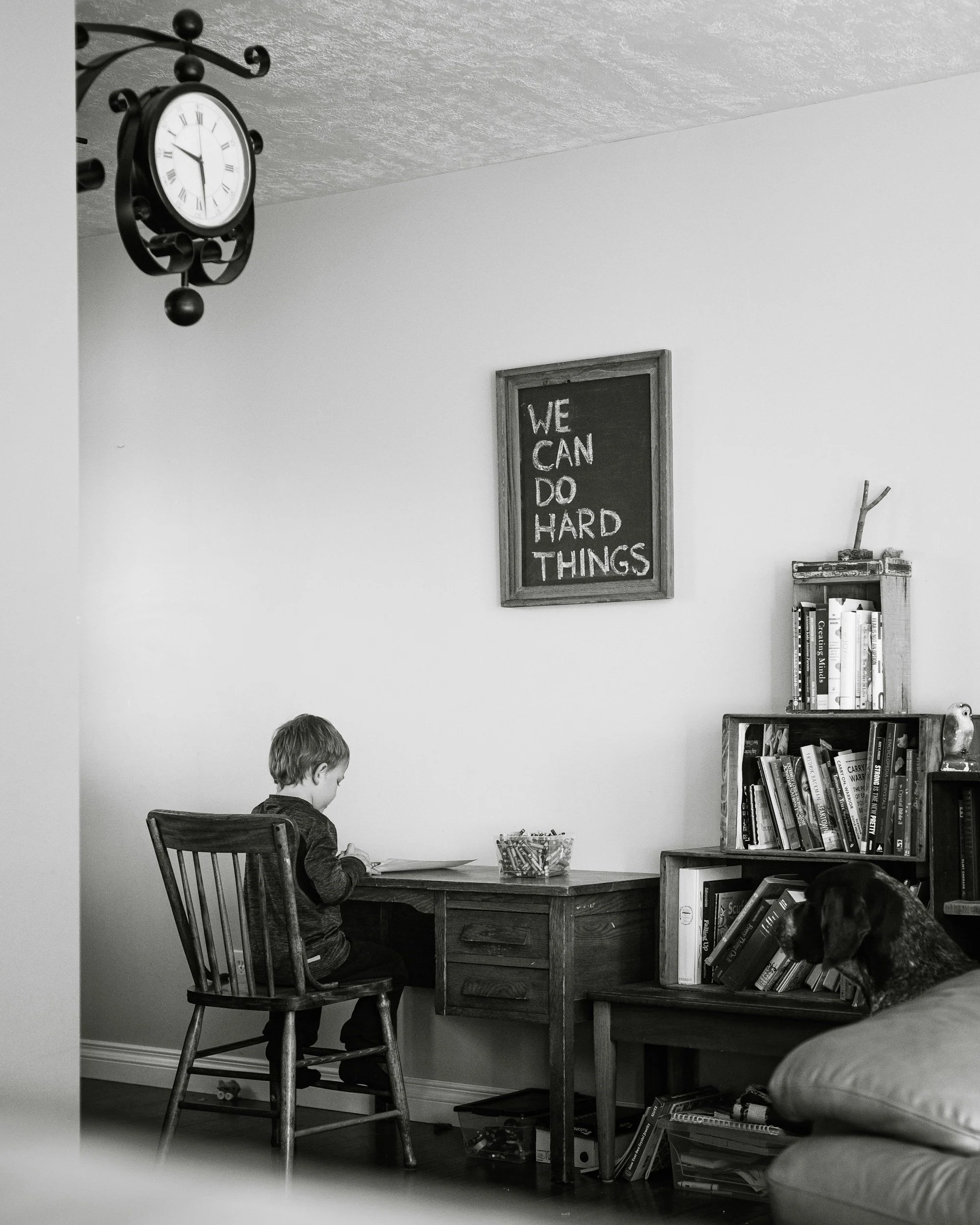
We can do hard things, and often they are exactly what we need to move forward. In my practice I don’t see courage as dramatic grand gestures, I see it in small, quiet choices that change the trajectory of someone’s day, career, or relationship.
You might not be shovelling a roof this weekend, but you may be initiating a conversation you’ve been putting off, setting a boundary at work, exploring options beyond a job that no longer fits, or taking one concrete step toward better health.
What is one hard, courageous action you’re willing to choose this week or month, one that may demand more of you now but will create a more honest, aligned, and satisfying future?
That’s your hard. And you get to choose it.
References:
Ware, B. (2012). The top five regrets of the dying: A life transformed by the dearly departing. Hay House.
